Data & Quant Services
The same data engineering and quantitative research discipline behind DoubleTrends™, available for custom projects. We help teams turn messy data, market questions, and forecasting problems into reproducible analysis and usable systems. Scope and pricing depend on complexity — get in touch to discuss your needs.
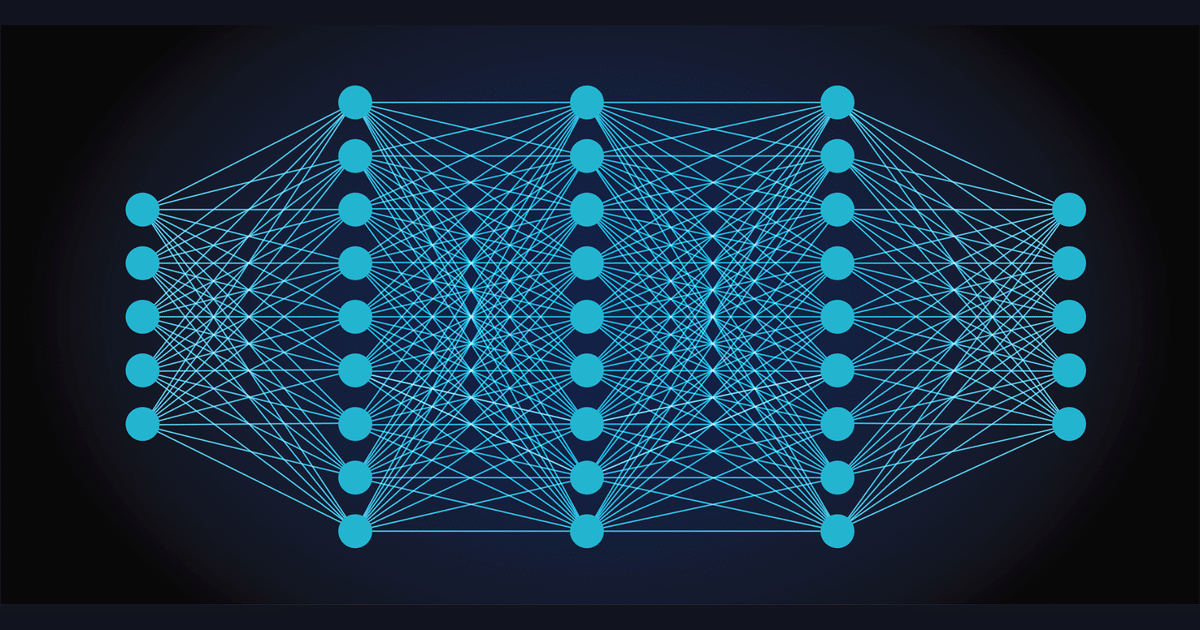
Machine Learning Model Development
Model development for structured tabular data: classification, regression, time-series forecasting, and anomaly detection. Work typically covers data preprocessing, feature engineering, model selection, training, and evaluation against a held-out test set. Deliverables include trained model artifacts, documented methodology, reproducible Python code, and a plain-language readout of what the model can and cannot be trusted to do.

Statistical Analysis and Forecasting
Exploratory data analysis, hypothesis testing, regression modelling, and time-series forecasting using R or Python. Suitable for understanding what's driving a metric, validating whether an observed pattern is statistically significant, or building a forward-looking model from historical data. Results are delivered with clear methodology documentation, visual summaries, and practical interpretation so the output can support a real decision instead of sitting in a notebook.

Data Collection and Scraping
Automated data collection from public web sources, APIs, or structured documents. Output is a clean, structured dataset in your preferred format — CSV, JSON, or database. Typical use cases include market data aggregation, pricing intelligence, and building datasets for downstream modelling work. Rate limits, pagination, deduplication, logging, and repeatable refreshes are handled as part of the pipeline when the project requires ongoing collection.
From research question to working deliverable
Define the business question, available data, constraints, timeline, and what a useful answer should look like.
Clean the data, run the analysis or model, document assumptions, and review intermediate findings before final delivery.
Provide code, datasets, charts, methodology notes, and a short explanation of how to maintain or extend the work.